
By the free-solarpanels.com editorial team Published August 19, 2026 Last reviewed August 22, 2026
Reviewed for accuracy on August 22, 2026
Cost of Solar Panels in New Hampshire (2026 Pricing Guide)
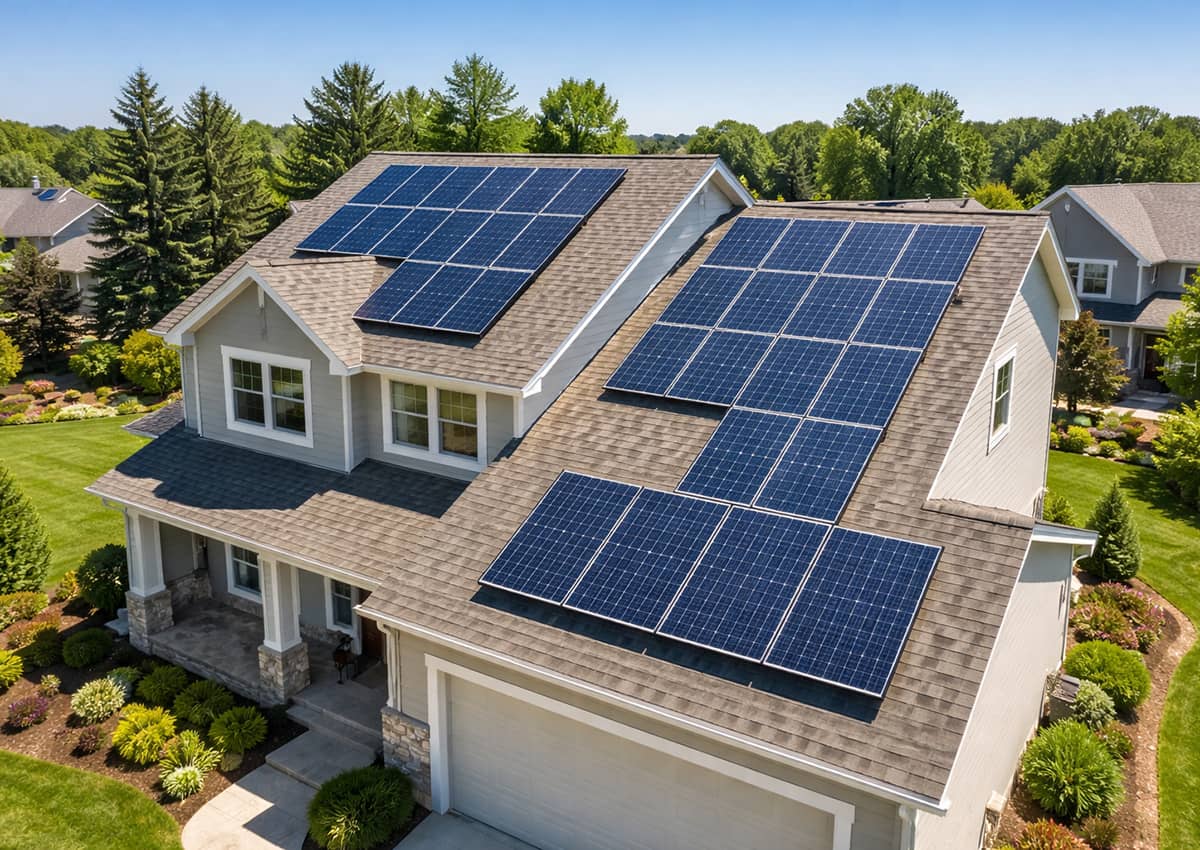
You may have witnessed ads for "$0 down solar" or "free solar panels" in New Hampshire, you're probably asking yourself what solar really costs. Let's break down the true numbers, what drives pricing, and how homeowners in New Hampshire can minimize upfront costs.
Quick Cost Overview for New Hampshire
Average System Cost (8 kW)
$24,000
Typical Range
$21,600-$26,400
Average Cost Per Watt
$3.00
Estimated Payback Period
11 years
The 30% federal Residential Clean Energy Credit (Section 25D) expired on December 31, 2025. Homeowner-owned systems no longer qualify, including purchases made with a solar loan. A 30% credit remains available through a solar lease or PPA under Section 48E, claimed by the provider rather than by you, for systems placed in service by December 31, 2027.
Check if you qualify for $0-down solar in New Hampshire
Get matched with vetted local installers. No obligation, free personalized quotes.
Key Takeaways
- 1Average solar costs in New Hampshire: $24,000 for a typical 8 kW system, before any state or local incentives (the 30% federal tax credit no longer applies to purchased systems)
- 2System size, equipment quality, and roof characteristics are the biggest cost factors
- 3Compare multiple quotes—prices can vary 20-30% between installers
- 4$0-down financing options make solar accessible without upfront payment
Average Solar Costs in New Hampshire
Based on current market data, residents in New Hampshire generally pay between $21,600 and $26,400 for a residential solar panel system before incentives. This is based on an 8 kW system, which is typical for most homes.
With New Hampshire's average electricity rate of $0.19/kWh, an 8 kW system can produce approximately 11,972 kWh per year, translating to annual savings of around $2,275.
What Affects Solar Panel Costs in New Hampshire?
Several factors influence the final cost of your solar installation:
1. System Size
Larger homes with higher electricity usage need bigger systems. A 6 kW system might cost $18,000, while a 12 kW system could run $36,000. Your installer will size your system based on your energy consumption and roof space.
2. Equipment Quality
Premium solar panels from manufacturers like SunPower or LG cost more than budget options but offer higher efficiency, better warranties, and longer lifespans. Inverter choice (string inverters vs. microinverters) also affects cost.
3. Roof Characteristics
Installation costs increase with:
• Steep roof pitch or complex angles
• Multiple roof planes or dormers
• Roofing material (tile or metal roofs cost more to work with)
• Shading that requires microinverters or power optimizers
• Roof condition (old roofs may need replacement first)
4. Local Labor and Permitting Costs
Labor rates vary across New Hampshire based on local wages and demand. Permitting fees and utility interconnection costs also differ by jurisdiction. Urban areas typically have higher costs than rural regions.
5. Installer Pricing
Prices can vary 20-30% between installers for identical systems. National companies may charge more but offer extensive warranties, while local installers might provide more personalized service at lower prices. Always compare multiple quotes.
Beware of Pricing Red Flags
- • Prices significantly lower than competitors (may indicate low-quality equipment or unlicensed work)
- • Pressure to sign immediately to "lock in" pricing
- • Vague quotes without detailed equipment specifications
- • Requests for large upfront deposits before work begins
Determining Your System Size
Your system size depends on your electricity usage and available roof space. Review your utility bills to find your average monthly kWh consumption. A typical New Hampshire home uses 900-1,100 kWh per month.
To offset 100% of your usage, divide your annual kWh by the production factor for New Hampshire (approximately 1496 kWh per installed kW). For example:
- 1,000 kWh/month = 12,000 kWh/year
- 12,000 ÷ 1496 = 8 kW system needed
Equipment Cost Breakdown
Here's how costs typically break down for an 8 kW system in New Hampshire:
- Solar panels: $6,400-$8,000 (40-50% of total)
- Inverters: $1,600-$2,400 (10-15%)
- Mounting hardware & racking: $1,200-$1,600 (7-10%)
- Labor & installation: $4,000-$6,000 (25-35%)
- Permitting, inspection, interconnection: $800-$1,200 (5-7%)
- Margin & overhead: $1,600-$3,200 (10-15%)
Available Incentives & Savings
The 30% federal Residential Clean Energy Credit (Section 25D) expired on December 31, 2025. Homeowner-owned systems no longer qualify, including purchases made with a solar loan. A 30% credit remains available through a solar lease or PPA under Section 48E, claimed by the provider rather than by you, for systems placed in service by December 31, 2027.
New Hampshire offers: Property tax exemption. Net metering is available in New Hampshire, allowing you to earn credits for excess solar production sent to the grid.
Learn more about all available incentives in our New Hampshire Solar Incentives Guide.
Financing Options in New Hampshire
Most New Hampshire homeowners use one of these financing methods:
Cash Purchase
Best for: Maximum savings and full ownership
Pay the full cost upfront and own the system outright. The 30% federal tax credit no longer applies to purchased systems, but this option still provides the highest lifetime savings and adds the most value to your home.
Solar Loan
Best for: No upfront cost while keeping ownership
Finance your system with a solar-specific loan. You'll own the system—the same as a cash purchase—so the federal tax credit does not apply, though you may qualify for state or local incentives. You'll also pay interest. Compare loan terms carefully—some have hidden fees or escalating payments.
Solar Lease or PPA
Best for: Zero responsibility and predictable payments
A third party owns the system; you pay a fixed monthly lease or per-kWh rate. No maintenance responsibility, and the provider (not you) can still claim a 30% credit under Section 48E, typically passed to you as a lower monthly rate rather than an upfront reduction. Lifetime savings are lower than ownership, and these can complicate home sales.
See our complete New Hampshire Solar Financing Guide for detailed comparisons.
How to Reduce Your Solar Costs
- Get multiple quotes: Compare at least 3-5 installers. Prices can vary by thousands of dollars for identical systems.
- Time your installation: Some installers offer better pricing during off-peak seasons (typically fall/winter).
- Optimize system size: Don't oversize your system. Match it to your actual usage to avoid unnecessary costs.
- Address roof issues first: If your roof needs replacement soon, do it before solar to avoid removal and reinstallation costs later.
- Check utility rebates: Some New Hampshire utilities offer additional rebates or performance incentives. Ask installers about available programs.
- Consider mid-tier equipment: Premium panels offer only marginally better performance than quality mid-tier options. The extra cost may not justify the small efficiency gain.
How to Compare Solar Quotes
When reviewing quotes from installers, pay attention to:
- Price per watt: More useful than total cost for comparing different system sizes
- Equipment specifications: Panel manufacturer, wattage, efficiency, and warranty terms
- Inverter type: String inverters vs. microinverters (affects performance and cost)
- Production estimate: First-year and 25-year kWh estimates
- Warranty coverage: Equipment, installation, and production guarantees
- Post-installation services: Monitoring, maintenance, and support
Sample Quote Comparison Table
| Factor | Company A | Company B | Company C |
|---|---|---|---|
| System Size | 8.0 kW | 8.2 kW | 7.8 kW |
| Total Cost | $24,000 | $26,650 | $22,620 |
| Price/Watt | $3.00 | $3.25 | $2.90 |
| Panel Brand | Q Cells | SunPower | Trina Solar |
| Inverter | Enphase micro | SolarEdge + optimizers | String inverter |
| Warranty | 25 yr / 25 yr | 25 yr / 25 yr | 25 yr / 12 yr |
Note: While Company C has the lowest price/watt, consider equipment quality, warranty terms, and installer reputation when making your decision.
Next Steps
Ready to get accurate pricing for your New Hampshire home? Here's what to do:
- Gather your utility bills: You'll need 12 months of electricity usage data to get accurate quotes.
- Check your roof condition: Assess shading, orientation, and structural integrity.
- Request quotes from multiple installers: Use our free service to get matched with vetted local installers.
- Compare proposals carefully: Don't just look at price—evaluate equipment, warranties, and company reputation.
- Verify licenses and credentials: Confirm NABCEP certification and state licensing.
- Read contracts thoroughly: Understand all terms, especially for leases and PPAs.
Related Resources
Disclaimer: Cost estimates are based on current market averages and may not reflect actual pricing in your area. Final costs depend on system size, equipment choices, roof characteristics, local labor rates, and installer pricing. Incentive availability and amounts vary by location and program funding. Always obtain multiple written quotes from licensed installers and verify all incentive eligibility before making a purchase decision.
Solar Loan vs Lease vs PPA: Quick Comparison
| Feature | Cash Purchase | Solar Loan | Lease or PPA |
|---|---|---|---|
| Who owns the system | You | You | The provider |
| Upfront cost | Full system cost | $0 | $0 |
| Federal tax credit | None (25D expired) | None (you own the system) | 30% via Section 48E, claimed by the provider and passed through as a lower rate |
| State/local incentives | Varies by provider and contract | ||
| Monthly payment | None | Loan payment, typically less than your electric bill | Fixed lease fee or per-kWh PPA rate |
| Long-term savings | Highest once paid off | High once paid off | Lower than owning, but no upfront cost |
Ready to see your savings potential?
Get a free, no-obligation quote from top-rated installers in New Hampshire.
The Bottom Line
- "Free" solar panels aren't technically free, but $0-down options make solar accessible without upfront costs
- New Hampshire homeowners may still save with state incentives and net metering, and can access the 30% federal tax credit indirectly through a solar lease or PPA
- Compare multiple quotes to find the best deal for your specific situation
Frequently Asked Questions
Sources & References
You May Also Like
New Hampshire Solar Incentives
Federal and state tax credits, rebates, and programs
New Hampshire Solar Financing
Compare loans, leases, and PPAs
Is Solar Worth It in New Hampshire?
ROI analysis and payback calculations
New Hampshire Solar Guides
Browse every guide for costs, incentives, financing, and top companies.