
By the free-solarpanels.com editorial team Published August 19, 2026 Last reviewed August 22, 2026
Reviewed for accuracy on August 22, 2026
Is Solar Worth It in Hawaii? Complete ROI Analysis & Real Homeowner Savings
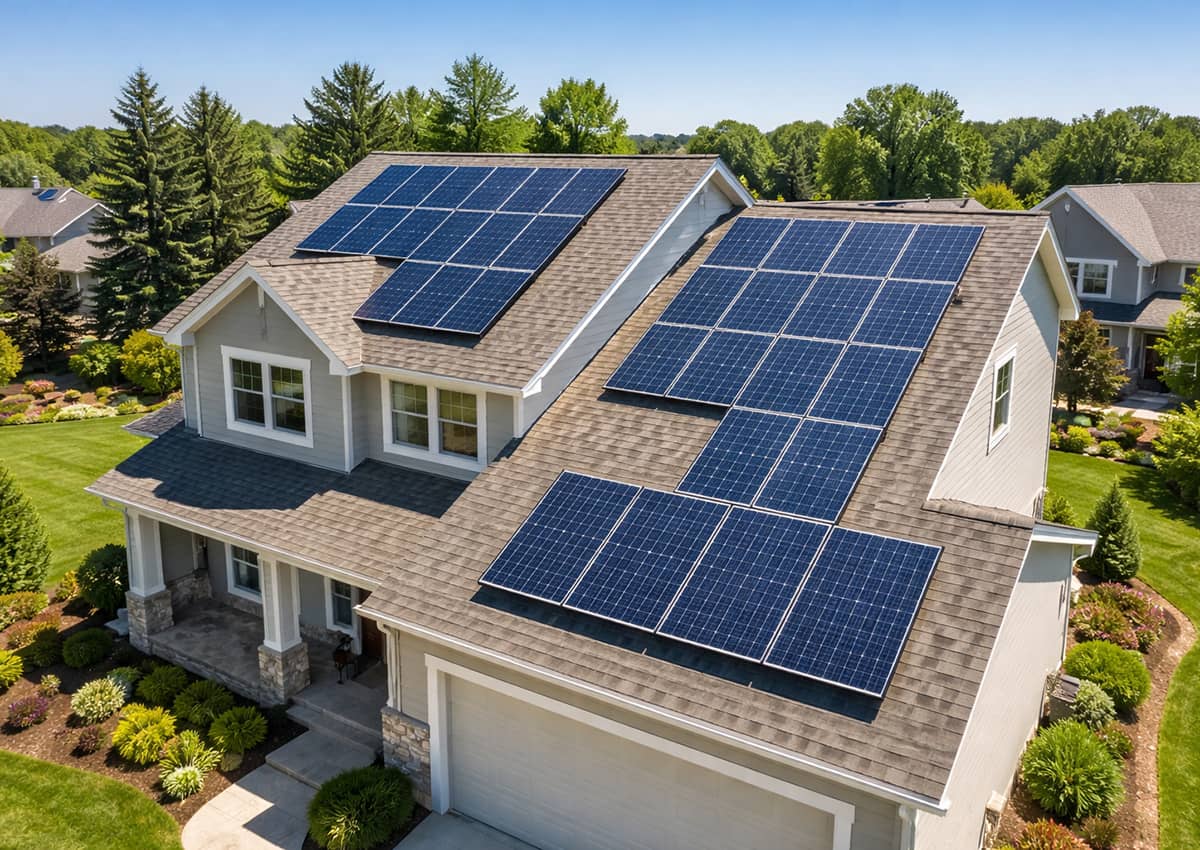
The short answer: Yes, solar panels are absolutely worth it for most Hawaii households in 2026. But don't just take our word for it—let's examine the actual numbers based on Hawaii's electricity rates, sun exposure, and available incentives.
With {state.name} electricity averaging $0.40/kWh and an average of 5.7 peak sun hours per day, a typical 8 kW solar system in Hawaii creates close to 16,644 kWh annually. That means on average $6,614 in savings every year.
For homeowners who buy and own their system outright, the 30% federal tax credit is no longer available—your investment of $24,000 on average pays for itself in 2-5 years based on electricity savings alone. State and local programs in Hawaii (Property tax exemption + energy rebates) may reduce your effective cost further, but don't always translate to an upfront dollar reduction. After payback, you're receiving free electricity for the remaining 20+ year lifespan of your panels.
This guide provides a complete analysis of solar ROI in Hawaii, including real payback calculations, factors that affect your returns, and honest answers about when solar might not be the right choice.
Check if you qualify for $0-down solar in Hawaii
Get matched with vetted local installers. No obligation, free personalized quotes.
Key Takeaways
- 1A typical 8 kW solar system in Hawaii saves close to $6,614/year on electricity bills.
- 2Without the federal tax credit (expired for owned systems after 2025), your payback period is on average 2-5 years based on electricity savings alone.
- 3Over 25 years, most Hawaii households save $141k+ in electricity costs after recovering their initial investment.
- 4Solar panels boost your home's value by close to 0.1%, adding $1k+ in resale value.
- 5Net metering in Hawaii allows you to bank excess production, maximizing your ROI year-round.
Real Solar ROI Numbers for Hawaii Homeowners
Let's start with the actual financial breakdown for a typical solar installation in Hawaii. These numbers are based on current Hawaii electricity rates, average sun hours, and 2026 system costs.
Average System Costs
- System size: 8 kW (enough to offset 70-100% of electricity use for a typical home)
- Gross cost: $24,000 ($3.00/watt installed)
- Upfront cost: $24,000
Hawaii's own programs (Property tax exemption + energy rebates) can still lower your effective cost, but they typically don't reduce the upfront price the way the old federal credit did—check with your installer on how each one applies.
The 30% federal Residential Clean Energy Credit (Section 25D) expired on December 31, 2025. Homeowner-owned systems no longer qualify, including systems bought with a solar loan—under a loan you still own the system. A 30% credit remains available through a solar lease or PPA under the Section 48E commercial credit, but it is claimed by the provider, not by you, and reaches you as a lower monthly rate. The system must be placed in service by December 31, 2027.
Annual Energy Production & Savings
- Average annual production: 16,644 kWh
- First-year electricity savings: $6,614
- Simple payback period: 2-5 years
Long-Term Financial Return
- Total 25-year savings: $141k (net of initial investment)
- Average annual ROI: 28% (far exceeding most traditional investments)
- Electricity cost protection: Your rate is locked at $0/kWh after payback, while grid rates continue rising
Real example: A Hawaii homeowner installing solar today will recoup their investment by 2030, then enjoy approximately $7,444+/year in free electricity (accounting for 3% annual utility rate increases) for the next 15-20 years.
6 Factors That Determine If Solar Is Worth It for Your Home
While solar is worth it for most Hawaii homeowners, certain factors significantly impact your specific ROI. Understanding these helps you make an informed decision.
1. Your Current Electricity Bill
The more you currently pay for electricity, the faster solar pays for itself. If your monthly electric bill is consistently over $150, solar is almost certainly worth it. At $200+ per month, it's a no-brainer.
2. Roof Condition and Orientation
Solar panels last 25-30 years. If your roof has less than 10 years of remaining life, replacing it first is more cost-effective. Ideal roofs are south-facing with 20-40 degree pitch and minimal shading.
3. Available Roof Space
An 8 kW system requires approximately 450-500 square feet of unshaded roof space. Smaller systems can still provide significant savings if space is limited.
4. Local Shading
Trees or buildings that shade your roof reduce production. Power optimizers or microinverters can minimize shading losses.
5. How Long You Plan to Stay in Your Home
With a payback period of 2-5 years, staying at least that long maximizes value. Even if you sell sooner, solar increases home value and marketability.
6. Available Incentive Programs
The 30% federal tax credit no longer applies if you buy and own your system, including systems financed with a solar loan. Hawaii's own programs (Property tax exemption + energy rebates) may still apply. A lease or PPA can still capture a 30% credit through the provider, passed to you as a lower monthly rate rather than an upfront reduction. Check with your installer to understand which programs apply to your situation.
How Solar Panels Affect Your Home Value in Hawaii
Beyond monthly savings, solar panels increase your home's market value significantly.
National Data on Solar and Home Values
- Zillow research: Homes with solar sell for 4.1% more on average
- Lawrence Berkeley National Lab: Buyers pay $15,000-$20,000 premiums for solar systems
- Appraisal rule: Home value increases by $3-$4 per watt of solar capacity
What This Means for Your Hawaii Home
An 8 kW system typically adds $1k in resale value. Since your net cost is $24,000, you recover 4% through increased home value alone—before counting years of electricity savings.
Important: Owned systems add value; leased systems typically don't. Owning your system provides maximum flexibility and value.
When Solar Might NOT Be Worth It
While solar makes sense for most Hawaii homeowners, there are situations where it's not the best investment:
Your Roof Needs Major Work
If your roof needs replacement within 5-10 years, address that first. Removing and reinstalling panels is expensive.
Excessive Shading
If large trees or buildings shade your roof most of the day, production will be too low to justify the cost. Consider tree trimming or alternative locations first.
You're Moving Soon
If you're selling within 2-3 years, you may not recoup your investment despite the home value increase.
Your Electricity Bills Are Very Low
If you consistently pay less than $75/month for electricity, your savings may not justify a full system. Consider waiting or installing fewer panels.
HOA Restrictions
Some homeowner associations restrict solar installations. Check your HOA rules before proceeding (note: many states now limit HOA solar restrictions).
Bottom line: If none of these apply to you, solar is almost certainly worth it in Hawaii.
Solar Loan vs Lease vs PPA: Quick Comparison
| Feature | Cash Purchase | Solar Loan | Lease or PPA |
|---|---|---|---|
| Who owns the system | You | You | The provider |
| Upfront cost | Full system cost | $0 | $0 |
| Federal tax credit | None (25D expired) | None (you own the system) | 30% via Section 48E, claimed by the provider and passed through as a lower rate |
| State/local incentives | Varies by provider and contract | ||
| Monthly payment | None | Loan payment, typically less than your electric bill | Fixed lease fee or per-kWh PPA rate |
| Long-term savings | Highest once paid off | High once paid off | Lower than owning, but no upfront cost |
Ready to see your savings potential?
Get a free, no-obligation quote from top-rated installers in Hawaii.
The Bottom Line
- "Free" solar panels aren't technically free, but $0-down options make solar accessible without upfront costs
- Hawaii homeowners may still save with state incentives and net metering, and can access the 30% federal tax credit indirectly through a solar lease or PPA
- Compare multiple quotes to find the best deal for your specific situation
Frequently Asked Questions
Sources & References
You May Also Like
Free Solar Panels in Hawaii
Learn about $0-down financing options and legitimate solar programs.
Cost of Solar Panels in Hawaii
See current pricing, incentives, and financing options.
Hawaii Solar Incentives
Complete guide to federal and state tax credits and rebates.
Hawaii Solar Guides
Browse every guide for costs, incentives, financing, and top companies.