
By the free-solarpanels.com editorial team Published August 19, 2026 Last reviewed August 22, 2026
Best Solar Companies in Hawaii (2026): Top Installers & Reviews
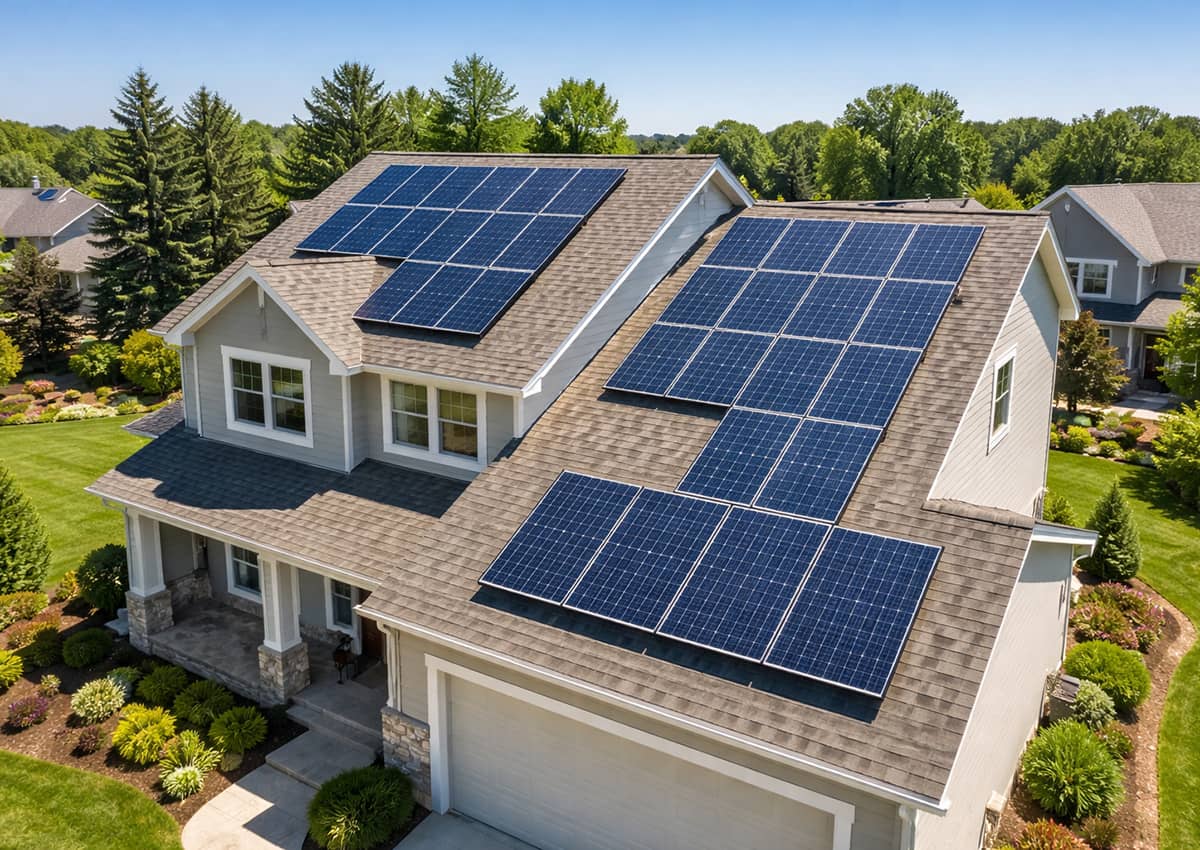
Choosing the right solar installer is one of the most critical decisions you'll make when going solar. The quality of your installation directly affects your system's performance, longevity, and overall return on investment.
Hawaii has a robust solar market. With many of companies vying for your business, prices and service quality can vary significant. Some installers distinguish themselves at customer service and use premium equipment, while others take shortcuts to offer lower prices.
In this comprehensive guide, we'll cover everything you need to know about identifying and vetting solar installers in Hawaii. We'll cover what to look for, red flags to avoid, and how to compare quotes to ensure you're getting the best value for your investment.
Check if you qualify for $0-down solar in Hawaii
Get matched with vetted local installers. No obligation, free personalized quotes.
Key Takeaways
- 1Always verify NABCEP certification, Hawaii contractor licenses, and valid insurance coverage.
- 2Get a minimum of 3 quotes and compare cost per watt, equipment quality, warranties, and production estimates—not just total cost.
- 3Seek out installers with 5 or more years in business and numerous of completed installations in Hawaii.
- 4Red flags include pushy sales tactics, inflated savings promises, and unwillingness to provide references.
- 5Either national and local installers have benefits—compare both types to find the ideal choice for your project.
What to Look for in a Solar Company
Not all solar installers are created equal. Here are the key factors to consider when choosing a company in Hawaii:
1. Certifications and Licenses
At minimum, your installer should have the items below. See our installer vetting process, and independently verify every current license, insurance policy, and claimed certification with its issuing organization before signing.
- NABCEP certification: The North American Board of Certified Energy Practitioners certification is the gold standard for solar installers. It requires extensive training and ongoing education.
- State contractor license: Hawaii requires solar installers to be licensed. Always check their license is current and in good standing.
- Electrical license: Solar installations involve electrical work. Your installer should have licensed electricians.
- Insurance: Ensure they carry both general liability and workers' compensation insurance to protect you from liability.
2. Experience and Track Record
Look for installers with at least 5 years in business and hundreds of completed installations. Well-established companies are more likely to honor warranties and provide ongoing support. Ask potential installers:
- How many installations have you completed in Hawaii?
- How long have you been in business?
- Can you provide references from recent customers in my area?
- What happens if your company goes out of business—who honors my warranty?
3. Equipment Quality
The equipment your installer uses directly impacts your system's performance and lifespan. Premium panels from manufacturers like SunPower, LG, or REC will cost more but generate more energy and last longer than budget options.
Key equipment considerations:
- Panel efficiency: Higher efficiency panels produce more power in less space—important if your roof area is limited.
- Warranties: Look for 25-year panel warranties and 10+ year inverter warranties.
- Inverter technology: Microinverters or power optimizers generally exceed string inverters, especially on roofs with shading or complex layouts.
4. Workmanship Warranty
Equipment warranties cover defective products, but workmanship warranties cover installation errors and roof penetrations. Look for installers offering at least a 10-year workmanship warranty. Some top companies offer 25-year coverage.
5. Customer Service and Support
Solar systems require oversight and occasional maintenance over 25+ years. Consider:
- Does the company have a local office or are they out-of-state?
- Who handles service calls—company technicians or subcontractors?
- What's their response time for issues or questions?
- Do they offer system tracking and preventive maintenance?
National vs. Local Solar Companies
Hawaii residents can choose between large national installers and smaller local companies. Each has benefits and cons.
National Companies
Pros:
- More financing options with competitive rates
- Established processes and established systems
- Higher volume can mean better equipment pricing
- Strong financial stability and guarantee backing
Cons:
- Less personalized service
- May use subcontractors rather than company-employed crews
- Harder to reach decision-makers if issues arise
- Cookie-cutter approach may not tailor solutions for your specific roof
Local Companies
Pros:
- Personalized service and attention to detail
- Deep knowledge of local requirements and utility requirements
- Internal installation crews (generally)
- Easier to contact owners and decision-makers
- More invested in local reputation
Cons:
- Fewer financing options
- May have elevated equipment costs due to lower volume
- Longer wait times during busy seasons
- Higher risk if company shuts down
Bottom line: National companies are often better for straightforward installations with standard financing needs. Local companies stand out when you need customization, have a complex roof, or value hands-on service. Get quotes from both types to compare.
Red Flags to Avoid
The solar industry has grown rapidly, drawing in both reputable companies and bad actors. Watch out for these warning signs:
1. High-Pressure Sales Tactics
Be careful of salespeople who rush you to sign immediately with claims like "this price expires today" or "there's only one slot left." Reputable installers give you time to make an informed decision. If you feel rushed, walk away.
2. Unrealistic Savings Promises
Some companies greatly exaggerate potential savings to close deals. Be cautious of claims like "eliminate your electric bill completely" or "get free solar panels from the government." Ask for comprehensive calculations based on your actual energy usage.
3. Door-to-Door Sales
While not all door-to-door solar sales are scams, this approach attracts less reputable operators. If someone knocks on your door selling solar, tell them you'll research companies on your own timeline.
4. Requests for Large Upfront Deposits
Reputable installers generally ask for small deposits (10-20%) to begin work. Be extremely cautious if someone asks for 50% or more upfront, especially before permits are approved or equipment is ordered.
5. No Physical Address or Local Presence
Companies without a legitimate physical address in or near Hawaii are risky. If something goes wrong, you want an installer you can actually visit or who can quickly send technicians to your home.
6. Unwilling to Provide References
Established installers are proud of their work and happy to provide recent customer references. If a company hesitates about references, that's a major red flag.
7. Pushy About Specific Financing
Some installers push specific financing products because they earn higher commissions, not because it's best for you. Reputable companies present multiple options and help you choose based on your financial situation.
How to Compare Solar Quotes
Getting multiple quotes is essential, but comparing them can be confusing. Here's what to focus on:
1. Price per Watt
Don't just compare total system costs—calculate the price per watt to normalize for system size. In Hawaii, residential solar typically costs $2.50-$3.50 per watt before incentives. For example:
- 8 kW system at $24,000 = $3.00/watt
- 8 kW system at $20,000 = $2.50/watt
If one quote is significantly cheaper per watt, ask why. It might be lower-quality equipment, less experienced installers, or hidden fees to be added later.
2. Equipment Specifications
Compare apples to apples by examining:
- Panel manufacturer, model, and efficiency rating
- Inverter type (string, microinverters, or power optimizers)
- Mounting hardware and racking system
- Monitoring system included
A quote with premium equipment justifies a higher price per watt. Budget panels might save money upfront but produce less energy over 25 years.
3. Production Estimates
Each proposal should include estimated annual energy production in kilowatt-hours (kWh). Higher efficiency equipment or better system design should produce more energy. Be skeptical of wildly optimistic production estimates.
4. Warranties
Compare warranty coverage carefully:
- Panel warranty (typically 25 years, but coverage varies)
- Inverter warranty (10-25 years depending on type)
- Workmanship warranty (how long is installation covered?)
- Who backs the warranties—the manufacturer or the installer?
5. Financing Terms
If you're financing, compare:
- Interest rates (APR)
- Loan term length
- Dealer fees (some loans have hidden fees built into the system price)
- Prepayment penalties
- What happens if you sell your home
6. What's Included
Make sure quotes itemize everything included:
- Permits and utility interconnection
- System design and engineering
- Removal and reinstallation if roof work is needed
- Monitoring system and app access
- Post-installation support
Some quotes seem cheaper but exclude items other installers include. Make sure you're comparing complete packages.
How to Vet Solar Installers
Before signing a contract with any solar company in Hawaii, complete these due diligence steps:
1. Verify Licenses and Insurance
Check that the installer holds current Hawaii contractor and electrical licenses. Ask for proof of liability and workers' compensation insurance, and call the insurance company to verify the policy is active.
2. Check Online Reviews
Look beyond the star rating on Google or Yelp. Read actual reviews, focusing on:
- How the company handled problems or issues
- Quality of customer service and communication
- Timeliness of installation and responsiveness
- System performance compared to promises
Be wary of companies with exclusively 5-star reviews—they might be fake. A mix of 4- and 5-star reviews with detailed comments is more trustworthy.
3. Contact References
Ask for contact information for 3-5 recent customers. When you call them, ask about their experience, any surprises or problems, and whether they'd hire the company again.
4. Visit Completed Installations
If possible, ask to see 1-2 completed installations in person. This lets you evaluate the installer's workmanship, cable management, and attention to detail. Sloppy installations are a red flag.
5. Review the Contract Carefully
Never sign a contract without reading every word. Key things to verify:
- Total system cost and payment schedule
- Specific equipment models to be installed
- Production guarantees (if any)
- What's included and excluded
- Timeline for completion
- Cancellation policy and any fees
- Who's responsible if permits are delayed
- Warranty terms and how to make claims
Don't hesitate to have a lawyer review the contract if anything seems unclear or one-sided. Spending $200-$300 on legal review can save you thousands later.
6. Trust Your Gut
If something feels off—pushy sales tactics, evasive answers, or promises that sound too good to be true— walk away. There are plenty of reputable installers in Hawaii. Don't settle for a company that makes you uncomfortable.
How Our Installer Matching Service Works
Finding and vetting solar installers is time-consuming. We've done the heavy lifting for you by pre-screening installers across Hawaii based on the criteria outlined in this guide.
What We Check
Every installer in our network must meet strict requirements:
- Valid Hawaii contractor and electrical licenses
- Active liability and workers' compensation insurance
- At least 5 years in business with proven track record
- Positive customer reviews and references
- Use of tier-1 equipment from reputable manufacturers
- Comprehensive warranties on workmanship and equipment
How It Works
- Tell us about your home: Answer a few questions about your location, property type, energy usage, and solar goals.
- Get matched: We connect you with up to 3 installers in your area who have applied through our vetting process. Confirm current credentials independently.
- Compare quotes: Each installer provides a detailed proposal including equipment specs, pricing, production estimates, and financing options.
- Make your decision: Review the proposals, ask questions, and choose the installer you trust most. There's no pressure or obligation.
Our service is completely free for homeowners. We're compensated by installers when you complete a project, so we only succeed when you're happy with your installation.
Bottom line: You get access to vetted installers and competitive quotes without spending hours researching companies or worrying about scams.
Hawaii-Specific Considerations
When choosing a solar installer in Hawaii, keep these local factors in mind:
Net Metering Policies
Hawaii offers net metering, which allows you to earn credits for excess energy your system sends to the grid. Your installer should understand how to optimize system sizing to maximize net metering benefits. Ask how they calculate the ideal system size for your usage patterns and utility rate structure.
Permitting and Interconnection
Solar permitting requirements vary by municipality in Hawaii. Choose an installer with deep experience navigating local building departments and utility interconnection procedures. Ask how long permitting typically takes in your area and who handles the paperwork.
Weather Considerations
With an average of 5.7 peak sun hours per day, Hawaii is an excellent location for solar. Your installer should account for seasonal variations in production when designing your system.
Local Incentives and Programs
Hawaii offers property tax exemption + energy rebates. Your installer should be thoroughly familiar with available incentives and help you maximize savings. They should also handle all required documentation for incentive applications.
Solar Loan vs Lease vs PPA: Quick Comparison
| Feature | Cash Purchase | Solar Loan | Lease or PPA |
|---|---|---|---|
| Who owns the system | You | You | The provider |
| Upfront cost | Full system cost | $0 | $0 |
| Federal tax credit | None (25D expired) | None (you own the system) | 30% via Section 48E, claimed by the provider and passed through as a lower rate |
| State/local incentives | Varies by provider and contract | ||
| Monthly payment | None | Loan payment, typically less than your electric bill | Fixed lease fee or per-kWh PPA rate |
| Long-term savings | Highest once paid off | High once paid off | Lower than owning, but no upfront cost |
Ready to see your savings potential?
Get a free, no-obligation quote from top-rated installers in Hawaii.
The Bottom Line
- "Free" solar panels aren't technically free, but $0-down options make solar accessible without upfront costs
- Hawaii homeowners may still save with state incentives and net metering, and can access the 30% federal tax credit indirectly through a solar lease or PPA
- Compare multiple quotes to find the best deal for your specific situation
Frequently Asked Questions
Sources & References
You May Also Like
Free Solar in Hawaii
Learn about $0-down solar financing options in your state.
Hawaii Solar Incentives
Discover available tax credits, rebates, and programs.
Cost of Solar in Hawaii
See current pricing and ROI calculations for your area.
Hawaii Solar Guides
Browse every guide for costs, incentives, financing, and top companies.